
Marshall H. Cohen
PHOTOJOURNALIST
×
ART REVIEWS
Photographs and Text @Marshall H. Cohen
Australian Indigenous Artists On View
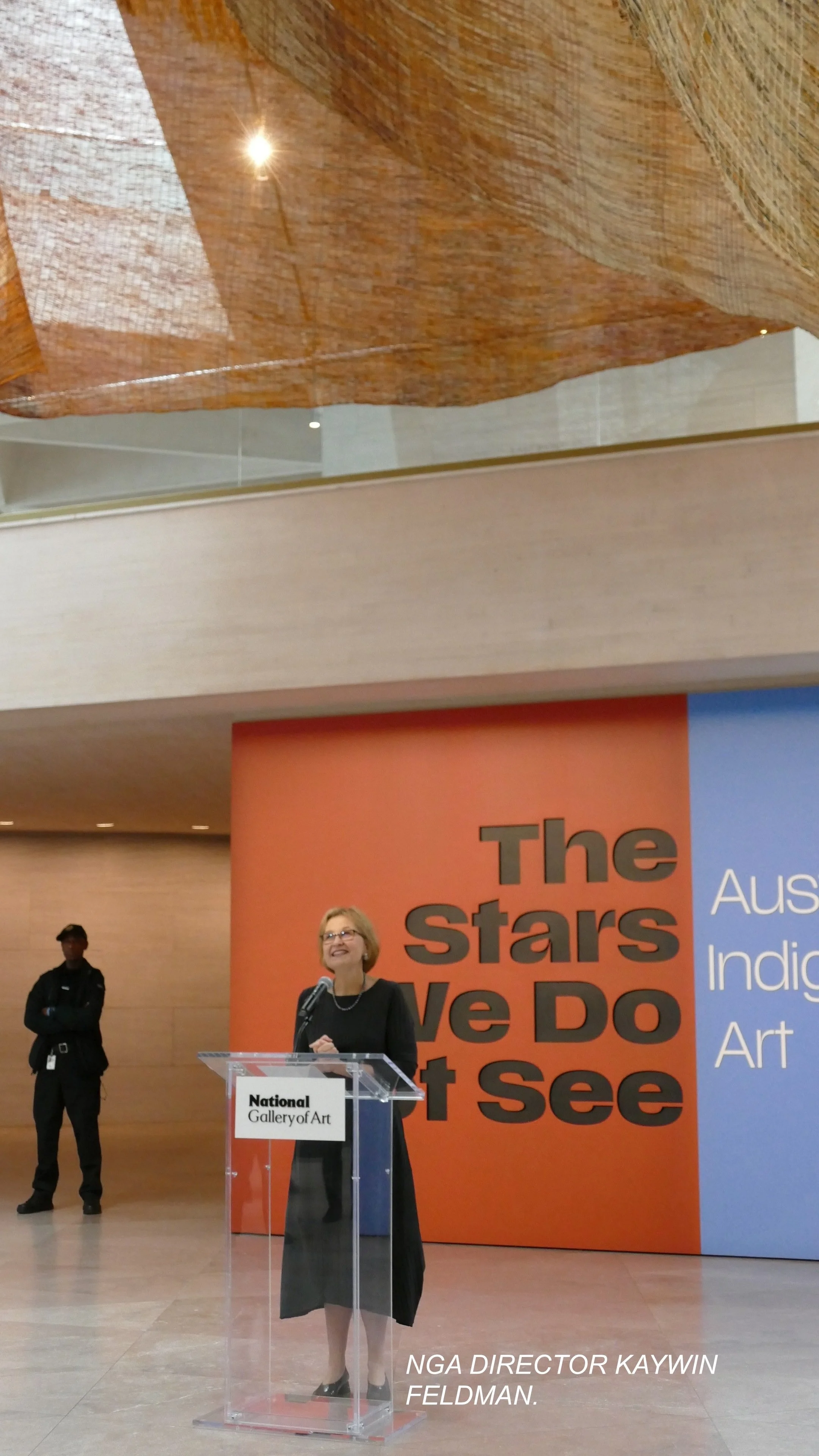
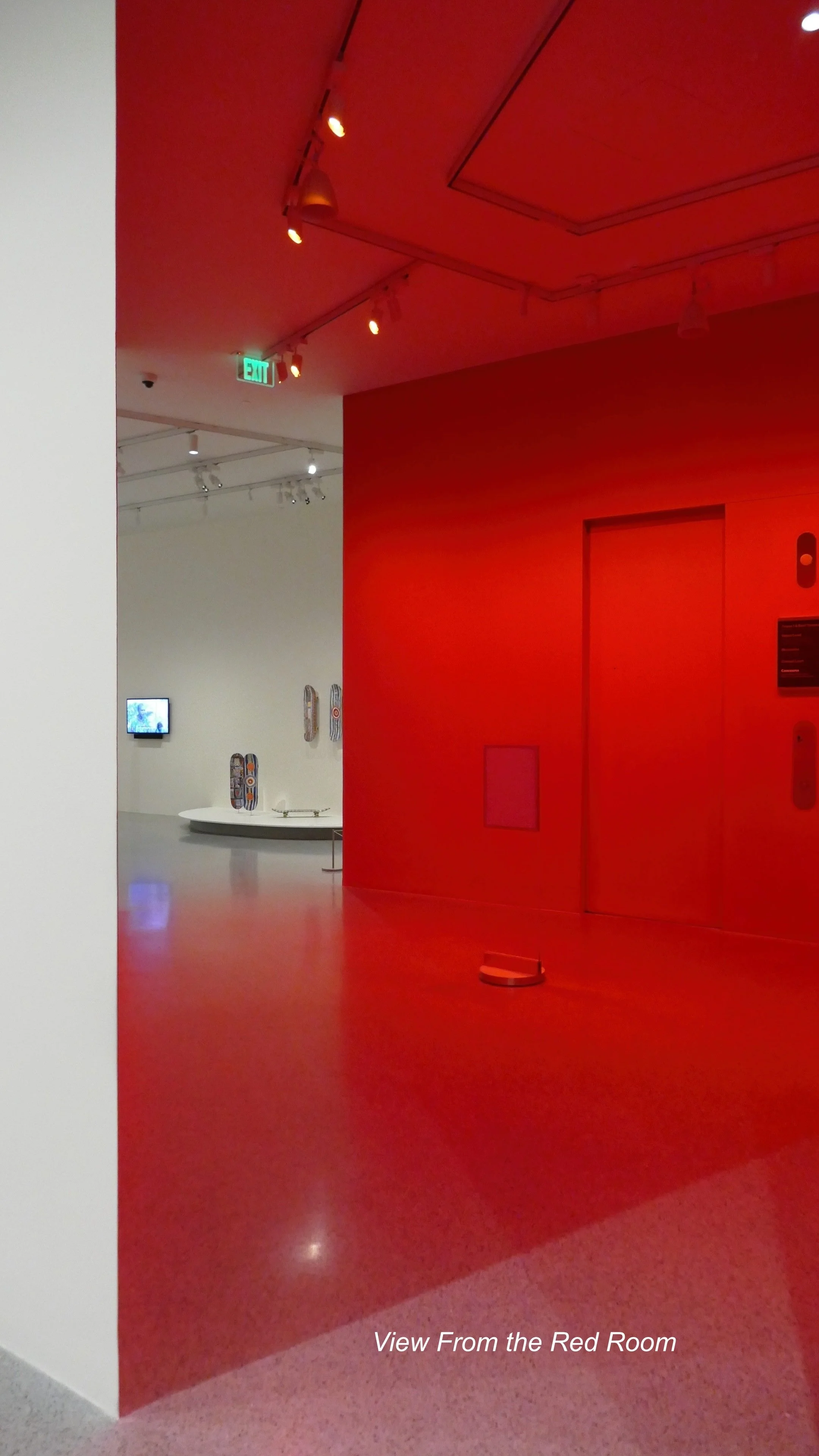
The current exhibition at the National Gallery, “The Stars We Do Not See” is a huge showcase of about 200 works by 130 Indigenous Australian artists (I.A.) The term “Aboriginal” which is a generalization meaning “natives from an earlier time “ is derogatory and no longer used. The exhibition, which may be viewed in the National Gallery of Art’s East Building until March 1, 2026, is fascinating, educational, and dazzling. A first reaction to the exhibition is to be impressed by bright colors and shapes, and the uniqueness of the ochre-bark paintings and tubular sculptures—some decorative, some practical (used as coffins!), as well as timeless designed jewelry, weavings, and important documentary photographs. Most works are drawn from the rich (I.A.) culture, many originating from family members and legends, and expressed within song and dance ceremonies. The show was introduced by Kaywin Feldman, NGA Director who highlighted one work, “Maningrida Fish Fence, 2023” which was an impressive example of woven fiber art installed in the lobby ceiling at the entrance to the show. It is a strangly beautiful symbol of winds, and spirits and woven by 14 female artists. Each of the artists was related to one another by history, totem, skin group, language, or family ties, according to the show’s catalogue. A few personal highlights of the show, and there are many, include a drawing “Wurundjeri Ceremony, 1823” by William Barak (1823-1903). The work shows the beauty of ancient times using natural elements from the land—with people costumed as animals and birds and dancing while holding traditional tools such as boomerangs. Another work by Timothy Cook (b. 1958) has contemporary compositional elements, such as converging circles symbolizing the moon, and the Yam (an important starchy root vegetable). The work also celebrates the harvest period when the celestial moon circles earth and when young men are renamed as adults. The Red Room is a protest space by Christian Thompson in 2021 called “Burdi Burdi” or (Fire Fire). Burdi is the word for fire in his father’s language, Bidjara, which has been endangered due to political oppression. The installation is a form of protest and calls for perseverance and resistance. (It was created during the time of Covid-19).
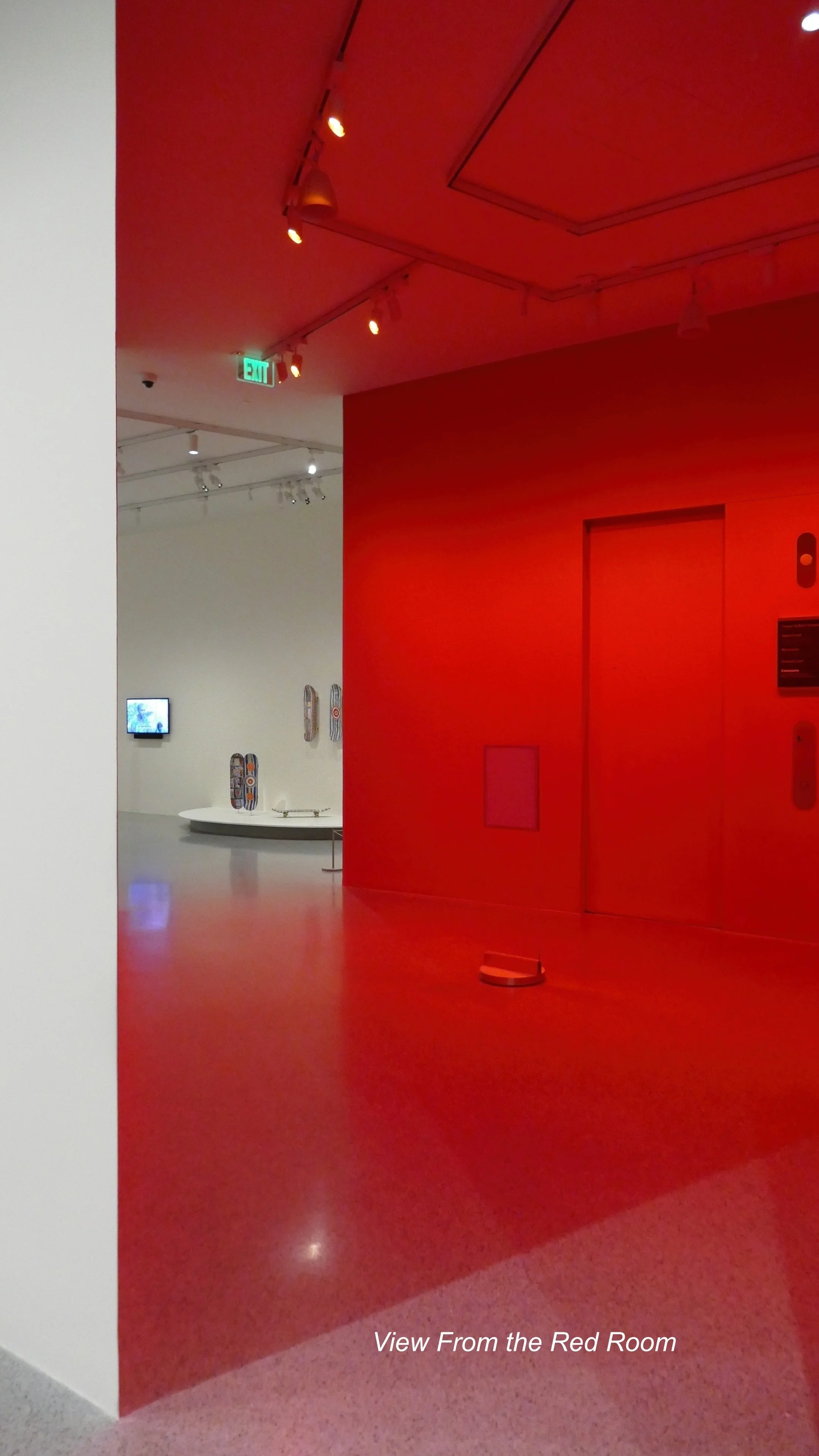
The symbol of a “Red Room” is found in many well- know works of literature, and in this work symbolizes a linguistic hardship experienced by the I.A. nations since 1800. The “Red Room” is a walkthrough space completely painted in blood- red paint—one feels tense and uncomfortable in this mystifying bright area, relieved by the exit door view of many objects in an adjacent gallery.
In the “Afterwood” of the exhibition catalogue, Merrkiyawuy Ganambarr-Stubbs, Author and Educator, poetically expresses a soulful summary:
“In Our song and our art, we are with the stars, with Sky Country. we are part of it.
…We live in this world, even if it’s only for a short time, before the spirits send us back to the heavens.” The outstanding exhibition catalogue is available at shop.nga.go
BLACK HISTORY THROUGH PHOTOGRAPHY